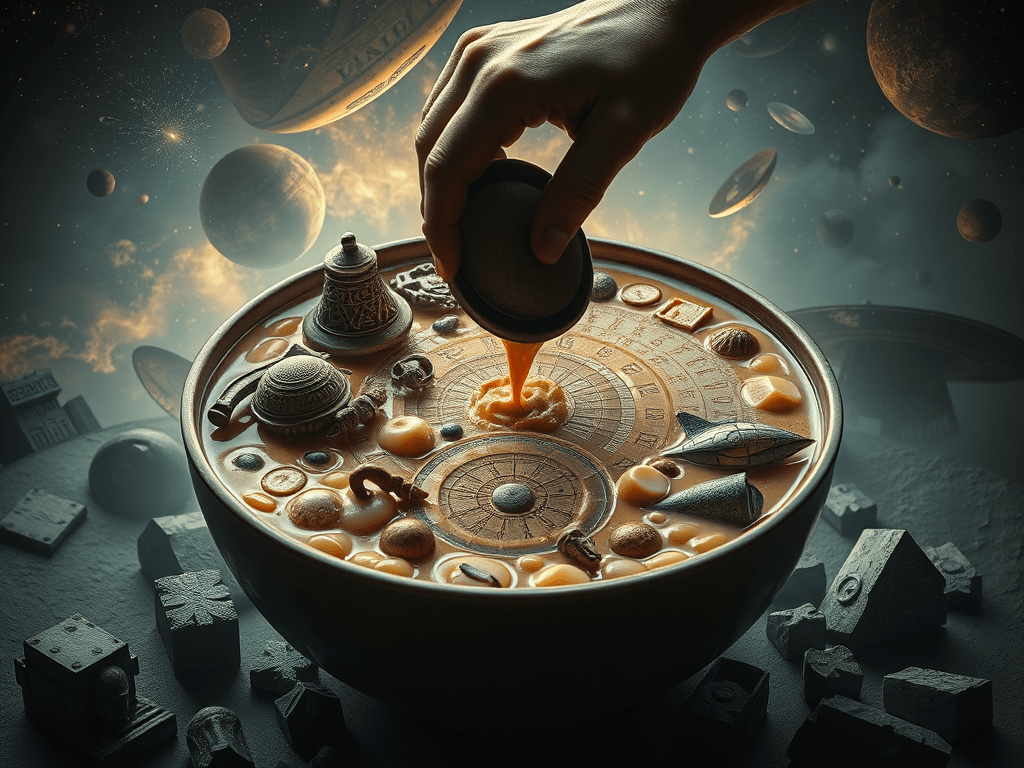
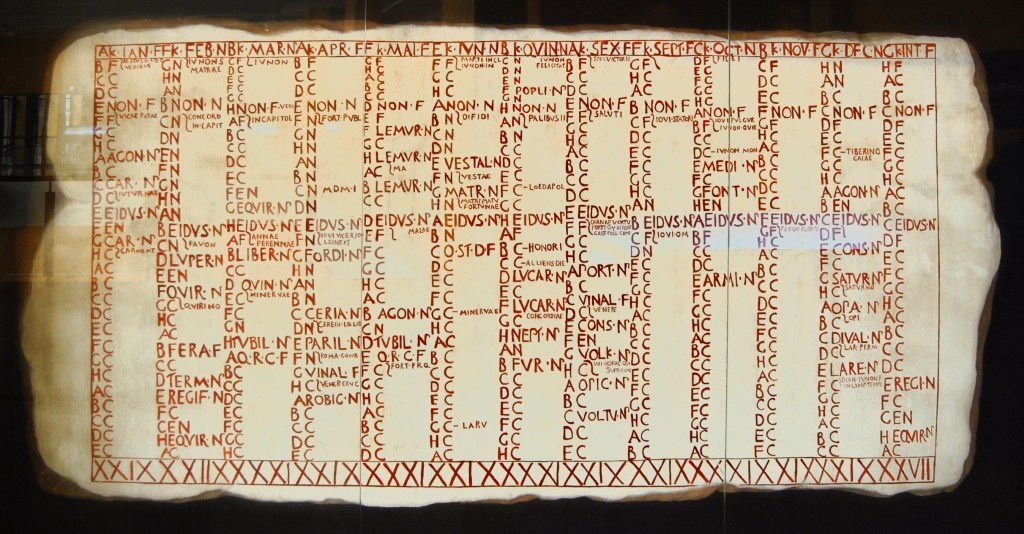
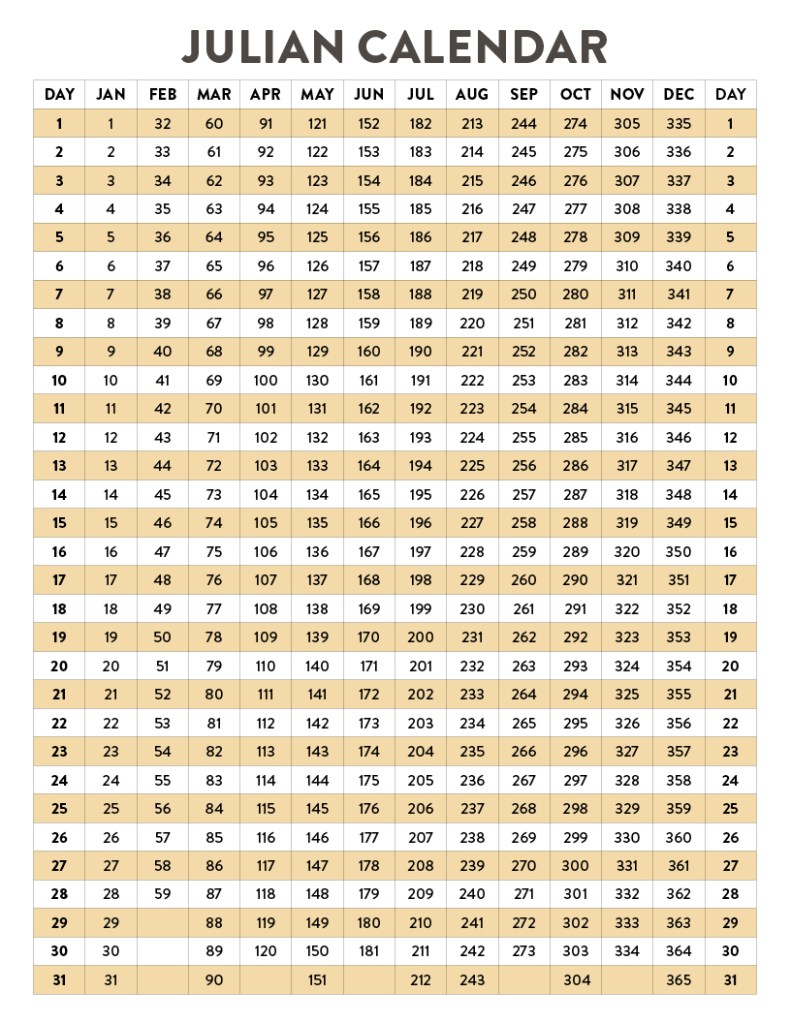
What year is it? What is the date? The time? These are questions that we are all supposed to know, the answers are supposed to be universal worldwide! We live by the calendar. It tells us when to work, when to celebrate, when history supposedly happened—and even what year it is. But the calendar isn’t some untouchable law of nature. It’s a human invention, revised, corrected, broken, patched, and politically rewritten over thousands of years. Empires adjusted it. Popes re-engineered it. Astronomers argued over it. Entire civilizations lost days, gained months, or reset the count altogether.
So tonight, we’re peeling back the paper we’ve been obediently flipping since childhood. Where did our calendar come from? Why was it changed? Who decided what year it was—and who benefited from that decision?
And here’s the uncomfortable question we’re not supposed to ask: What year is it really? If the calendar has been altered, restarted, and corrected multiple times in recorded history, by what standard could we ever be certain we’re living in the year we think we are?
Listen to the podcast for Episode 24 here:
Show Notes:
The 11 strangest scientific discoveries of 2025 | BBC Science Focus Magazine
The History of Calendars and How They Evolved – Calendar
History of the Gregorian Calendar | UniversalTimeDate
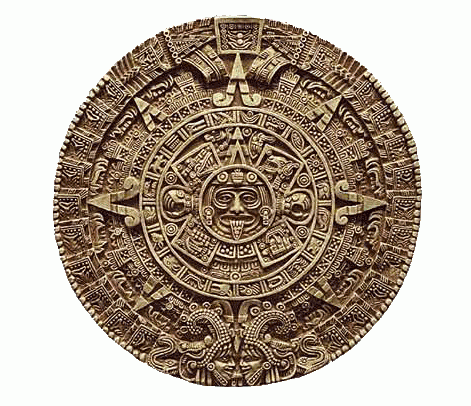
The ancient calendars that predicted the end of worlds
News References:
The 11 strangest scientific discoveries of 2025 | BBC Science Focus Magazine
AI is solving ‘impossible’ math problems. Can it best the world’s top mathematicians? | Live Science

Leave a comment and maybe we’ll mention you on the next show!